
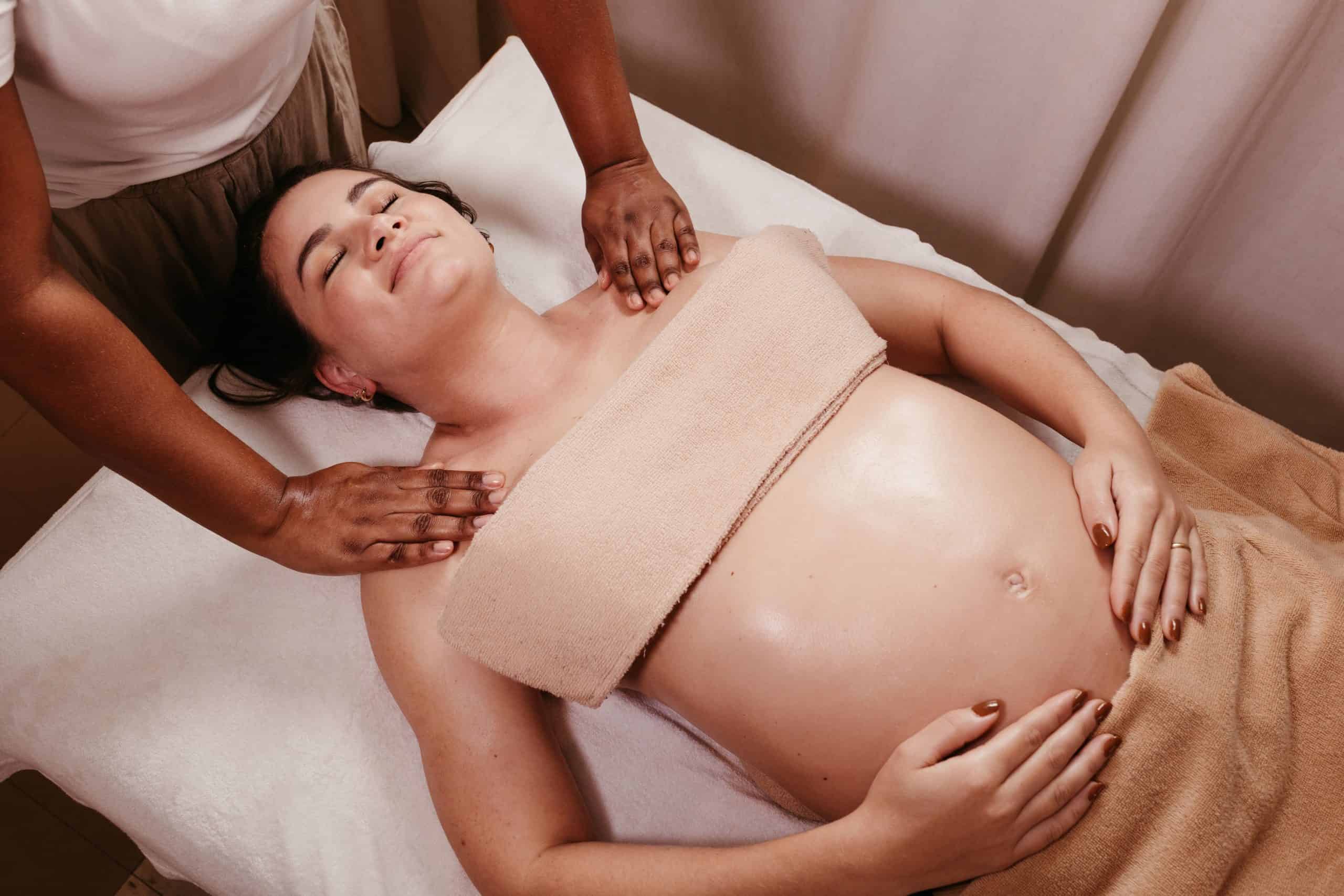
Ultimate Guide to Safe Pregnancy Massage at Home
There is a particular kind of exhaustion that sets in during pregnancy. It is not just tiredness. It is the cumulative weight of carrying more, sleeping less well, and managing a body that is changing faster than you can adapt to it. For many women, massage offers genuine relief during this period, and not as a luxury add on but as a practical way to feel more comfortable in their own skin.
The challenge has always been getting there. Clinic appointments require travel, parking, and navigating a treatment table that was rarely designed with a growing bump in mind. Home massage removes all of that. A qualified therapist arrives at your door, brings a professional treatment table with them, and works around your needs rather than the other way around. If you have been curious about pregnancy massage but felt uncertain about what it involves, this guide covers everything you need to know before booking.
Is Pregnancy Massage Safe?
For most women with a straightforward pregnancy, massage is considered safe from the second trimester onwards. Many therapists will also work with clients in the first trimester, though some prefer to wait until after twelve weeks as a precaution. The most important step before booking is always to check with your midwife or GP, particularly if you have any pregnancy complications, a history of miscarriage, or any conditions that might affect circulation or blood pressure.
Assuming you have the all clear, pregnancy massage carries a well established set of benefits. Many women find it helpful for lower back discomfort, hip tension, swollen feet and ankles, and the kind of shoulder and neck stiffness that comes from postural changes as the bump grows. Beyond the physical, there is consistent evidence that massage supports relaxation and can improve sleep quality, which becomes increasingly valuable as the pregnancy progresses.
It is worth noting that a trained pregnancy massage therapist will approach your treatment very differently to a standard massage. Pressure is adjusted, certain areas are avoided, and the whole session is shaped around your comfort and stage of pregnancy.
Why the Side Lying Position Makes Such a Difference
One of the most common concerns expectant mothers have about massage is simply not knowing how they will lie down comfortably. It is a fair question. Standard face down massage simply is not viable once the bump is significant, and some improvised setups feel unstable or put unexpected pressure on the wrong areas.
The side lying position solves this properly. The client lies on their side with supportive cushioning or bolsters placed between the knees, under the abdomen if needed, and behind the back for stability. This position takes the weight off the lower spine, allows the therapist to access the back, hips, and legs without any pressure on the bump, and is genuinely comfortable rather than just tolerable.
A professional treatment table matters here more than you might expect. The table provides a stable, padded, adjustable surface that makes side lying massage far more comfortable than attempting the same on a sofa or bed. The height is set correctly for the therapist to work without strain, which also improves the quality of the treatment itself. This is one of the reasons that a table based home service changes the experience considerably compared to a floor mat or mattress setup.
A pregnancy massage at home with Zen Hut means the therapist arrives with their own professional table already included. There is nothing to set up, move, or worry about on your end.
What to Expect from a Home Pregnancy Massage
If you have never had a therapist come to your home before, the process is more straightforward than most people expect. You do not need a large room. A decent amount of clear floor space around a treatment table is enough, and most living rooms or bedrooms accommodate this comfortably. The therapist brings everything they need.
Before the treatment begins, your therapist will ask about your stage of pregnancy, any areas of concern or discomfort, and any conditions your midwife or GP has flagged. This is standard practice and worth taking seriously rather than rushing through. It helps the therapist tailor the session to what you actually need, not just a generic template.
The session itself will typically focus on the areas that carry the most tension during pregnancy: the lower back, the hips and glutes, the upper back and shoulders, and the legs and feet. Abdominal work is generally avoided unless specifically requested and clinically appropriate. The pace is slower and the pressure lighter than a standard deep tissue session, though your therapist will adjust based on your feedback throughout.
After the treatment, allow yourself time to rest rather than immediately getting up and resuming the day. The effects of a good pregnancy massage can be quite noticeable, and giving your body twenty minutes to settle makes a real difference.
When During Pregnancy Should You Book?
Many women book their first pregnancy massage somewhere between weeks fourteen and twenty, when the bump is present but the later pregnancy discomforts have not yet fully set in. That said, massage can be genuinely valuable throughout the second and third trimesters, and some clients find it most beneficial in the later weeks when lower back and hip tension tends to be at its highest.
There is no single right answer, and your own comfort levels and physical experience of the pregnancy will guide you better than any general rule. Some women book every few weeks as part of their overall wellbeing routine, while others use it as and when they feel they need it.
One practical benefit of home massage during pregnancy is that you are not committing to a clinic visit at a time when your energy and mobility are both variable. Booking a Zen Hut appointment can be done entirely in advance, prepaid online, and rescheduled with 24 hours notice if your plans change.
Booking Your Pregnancy Massage with Zen Hut
Zen Hut offers Pregnancy Massage as part of its full treatment menu. When you book, you can browse therapist profiles, read bios and reviews, and choose someone whose experience and approach feel right for you. This matters during pregnancy, when trust in your therapist is particularly important.
Bookings are made and paid online in advance. You can book as a guest through the website, or download the Zen Hut app for a fuller experience that includes saved details, Zen Points rewards on every booking, and the ability to message your therapist directly through the app before or after your session.
Here is a quick summary of what the Zen Hut home pregnancy massage experience includes:
- A qualified therapist comes to your home with a professional treatment table included
- Full access to therapist profiles, bios, and customer reviews before you book
- Pregnancy Massage available as a dedicated treatment option
- Prepaid booking with a 24 hour cancellation window
- App booking unlocks Zen Points, faster repeat booking, stored payment details, and therapist messaging
- No need to travel, park, or fit around a clinic schedule
Frequently Asked Questions
Many qualified pregnancy massage therapists will work with clients throughout all stages of pregnancy, including the first trimester. However, some prefer to wait until after twelve weeks as a precaution. You should always consult your midwife or GP before booking, particularly in the early weeks or if you have any complications.
Most pregnancy massages are carried out in the side lying position, with supportive cushioning placed between the knees and under the abdomen as needed. This is safe, comfortable, and avoids any pressure on the bump. A professional treatment table makes this position considerably more comfortable and stable than improvised alternatives.
No. The therapist arrives with everything they need, including the professional treatment table. You just need a clear area of floor space around the size of a massage table, which most bedrooms and living rooms can comfortably accommodate.
This depends entirely on the nature of your situation. Always speak to your midwife or GP first. Certain conditions including placenta praevia, pre eclampsia, and deep vein thrombosis may mean massage is not appropriate. Your health professional is best placed to advise you.
It is worth booking at least a few days in advance to ensure you can browse therapist availability and choose someone whose profile and experience suit you. If you are in the later stages of pregnancy and want regular sessions, booking recurring appointments in advance gives you more flexibility.
Yes. Pregnancy Massage is a dedicated treatment option in the Zen Hut booking system. You can filter by treatment type when browsing therapists to ensure you are matched with someone qualified to carry it out.
Zen Hut has a 24 hour cancellation window. Cancellations made within 24 hours of the appointment are generally non refundable, though discretion is applied in certain circumstances. If you are pregnant and unwell, it is worth reaching out as early as possible if you need to reschedule.