
The True Cost of Cheap Massage: Why Therapist Pay Affects the Quality You Receive
There is a version of the at home massage market that looks fantastic on the surface. A few taps, a low price, someone at your door within the hour. It sounds ideal, and sometimes it genuinely is. But if you have ever booked a discounted treatment and walked away wondering why it felt so rushed, so mechanical, or so different from the last time, the answer often has less to do with bad luck and more to do with economics.
The way a platform pays its therapists has a direct and underappreciated effect on the quality of care you receive. This is not a criticism levelled at any single provider. It is simply a truth about how skilled work functions in any service industry. When margins are thin and practitioners are competing for the same small pool of bookings, corners tend to get cut, and the person on the table is usually the one who feels it most.
What Happens When Therapist Earnings Are Squeezed
Professional massage therapists typically train for years. Many hold diplomas in multiple modalities, carry their own insurance, invest in ongoing development, and build client relationships with real care. When a platform prices its treatments at the absolute floor of the market, someone in that chain is absorbing the shortfall. More often than not, it is the practitioner.
When therapists are underpaid relative to the skill and physical effort their work requires, several things tend to follow. They take on more bookings than is sustainable. They travel further and faster to fit the economics of the platform. They may be less selective about which bookings they accept, which can mean a less considered match between practitioner and client. Over time, the most experienced professionals gravitate toward platforms or direct client relationships that value their skills appropriately. What is left in an underpaid marketplace is often a rotating pool of newer or less selective practitioners, which is one of the most common reasons customers find the quality of their treatments so inconsistent from one booking to the next.
Why Consistency Is the Thing Most Customers Actually Want
Ask most people what they want from a regular massage and they will not say “the cheapest option available.” They will say they want to feel better, to wind down properly, to know what they are getting each time. Consistency is the thing that turns a one off treatment into a habit, and a habit is where the real benefit of regular bodywork sits.
Consistency is also what is hardest to deliver when the economics of a platform do not support it. A tired therapist who has done six back to back bookings across two postcodes is working in very different conditions from one who has managed their diary sustainably. The technique may be identical but the attention, the care, the small professional touches that separate a decent treatment from a genuinely restorative one, those tend to diminish under pressure.
This is not a character flaw in the individual therapist. It is a structural problem with what the market sometimes incentivises.
The Difference a Treatment Table Makes
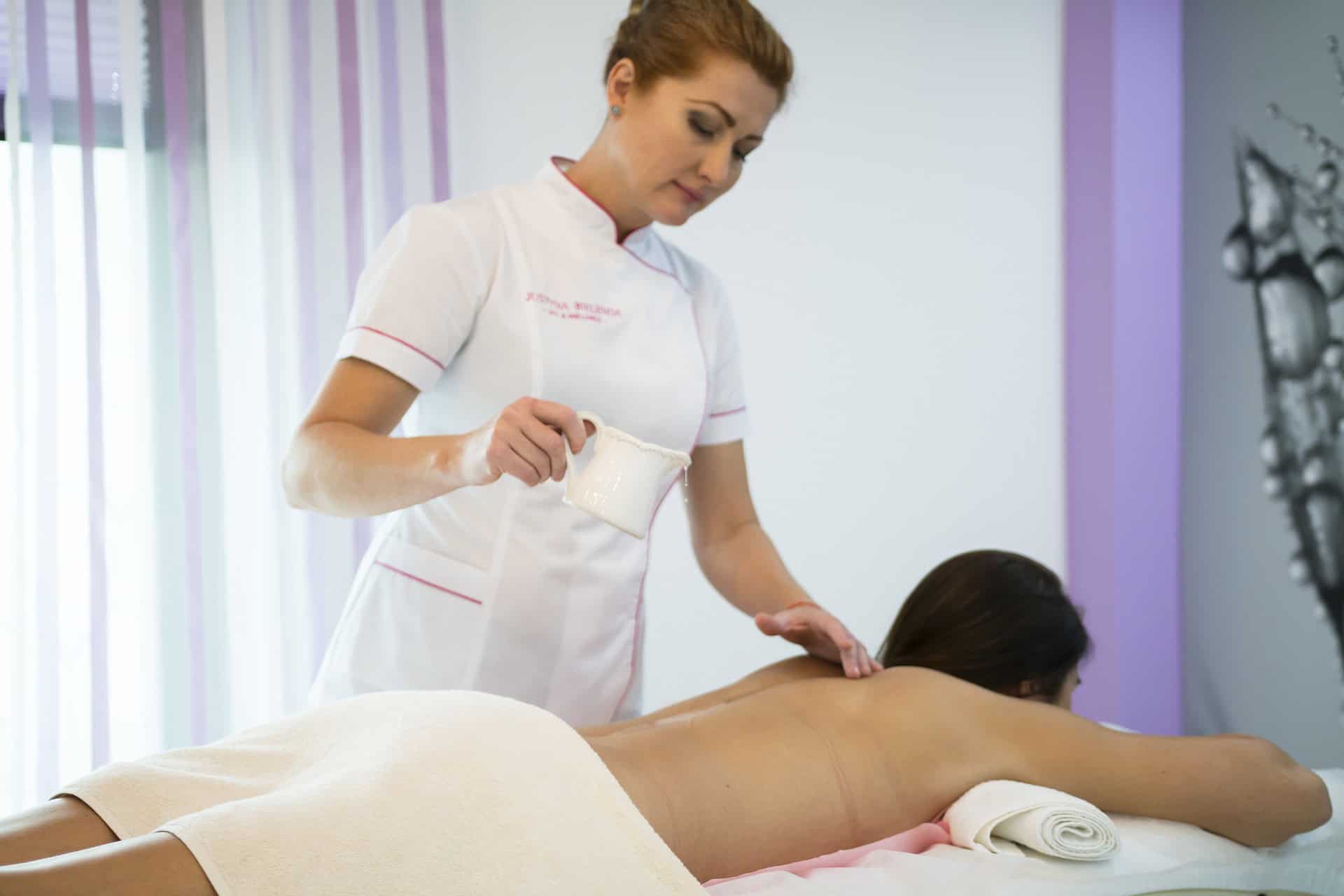
One of the clearest markers of a considered home wellness setup is whether the therapist arrives with a professional treatment table. It changes the entire experience, both for the client and for the practitioner.
Working on a proper table means the therapist can maintain correct posture throughout the treatment, which matters enormously over a full session. It means the client is positioned correctly for the work being done. It means the whole environment feels less improvised and more intentional. A professional table is not a luxury add on. It is the baseline of a proper treatment, the equivalent of a consultation room in a clinical setting or a treatment room in a spa.
Platforms that omit the table are not necessarily offering a bad product. There is a genuine place for floor based or sofa based massage in certain contexts. But if you are looking for something that genuinely replicates the feel of a spa treatment in your own home, the table is non negotiable. It is the difference between a session that feels professional from start to finish and one that feels slightly adapted from something else.
What Zen Hut Does Differently
Zen Hut was built around the table based model from the beginning. Every treatment is delivered with a professional table brought directly to the customer’s home. The service is designed to feel like a home spa experience rather than a quick fix, and that positioning shapes everything from how therapists are presented on the platform to how bookings are managed.
Customers can browse therapist profiles before booking, read bios and client reviews, and book directly from a profile page. There is no mystery about who is coming or what they specialise in. The booking itself is prepaid online, which means the transaction is clean, confirmed, and professional from the outset.
For those who book through the Zen Hut app, the experience goes further. Saved card details, Apple Pay and Google Pay support, Zen Points rewards on every booking, voucher use, and direct in app messaging with your therapist all sit inside a single, straightforward interface. For anyone who wants to book regular treatments, the app is the sensible route, making repeat bookings quicker and building up points that translate into real savings over time. Zen Points accumulate at one point per pound spent, and rewards begin from 250 points.
What to Look for When Choosing a Home Wellness Provider
The wellness at home market has matured considerably, and there are now real differences between what different platforms offer. When you are comparing options, a few questions are worth asking before you commit.
- Does the therapist bring a professional treatment table?
- Can you browse therapist profiles and reviews before booking?
- Is the booking journey clear, confirmed, and prepaid?
- Does the platform offer a loyalty or rewards structure that reflects repeat business?
- How does the platform handle cancellations and rebooking?
These are not premium questions reserved for high end customers. They are the basics of a well designed service. The fact that some corners of the market have normalised lower standards does not mean you have to accept them.
Frequently Asked Questions
For most home treatments, yes. A professional treatment table allows the therapist to work properly and means the client is supported in the correct position throughout the session. It replicates the standard you would expect in a spa or clinic rather than making do with a sofa or floor.
There are several reasons, but one of the most common is structural pressure on therapists to manage high volumes of bookings at lower margins. When practitioners are stretched, the fine details of a treatment tend to suffer. Choosing a platform that attracts and retains experienced professionals tends to produce more consistent results.
Not automatically, but pricing is often a signal of how the economics are structured beneath the surface. A platform that can offer sustainable rates to its therapists is more likely to retain skilled, experienced practitioners who approach each booking with care.
Customers can browse therapist profiles, read reviews left by real clients, and book the practitioner they prefer directly. The matching is also filtered by postcode, treatment type, and availability, so you only see therapists who can genuinely serve your area and your needs.
Zen Hut has a 24 hour cancellation window. Late cancellations are generally non refundable, though some discretion may be applied. It is always worth cancelling as early as possible if your plans change.
Yes, but this feature is available for app bookings rather than guest bookings. If direct communication with your therapist before or after a session matters to you, signing up through the app is the recommended route.