
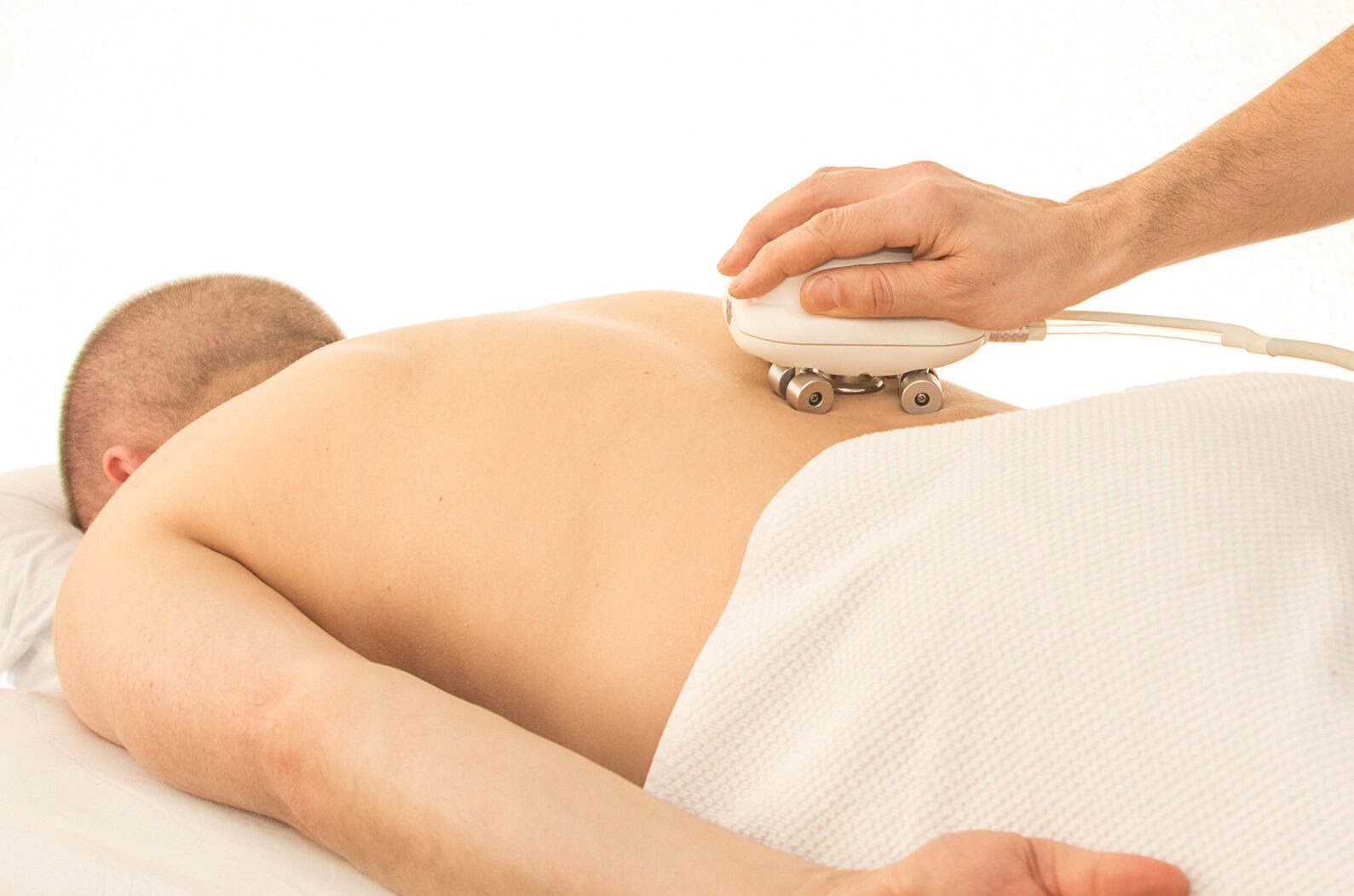
The Performance Investment: Why Massage Is a Tool, Not a Treat
There is a version of massage that still lives in the popular imagination as something you book for a birthday, a hen weekend, or as a reward at the end of a particularly punishing month. A nice thing. A luxury. Something you get to, eventually, when you have both the time and a reason.
That version has been quietly replaced, at least among the people who think carefully about what their body needs to keep performing. Massage has moved. It is no longer filed under treats. For a growing number of professionals, athletes, and high output individuals, it sits alongside sleep, nutrition, and exercise as a regular maintenance habit rather than an irregular reward.
This shift in framing matters. Because the way you think about something changes how often you do it, and how deliberately you approach it.
The Body Keeps Score
You do not need to run ultramarathons for your body to accumulate physical cost. Desk work does it. Commuting does it. Poor posture across hours of calls does it. Carrying the mental weight of a demanding role, managing stress chronically, sleeping less than you need, and spending years in the same holding patterns in your shoulders and jaw, all of these leave physical residue.
Muscle tension is not just an annoyance. It affects how you breathe, how you sleep, how you concentrate, and over time, how you move. Chronic tension tends to compound quietly until the cost becomes obvious in the form of headaches, disrupted sleep, pain that starts presenting during exercise, or simply a general feeling of being locked up and depleted.
None of this is dramatic or unusual. It is simply what sustained cognitive and physical load does to the body, particularly when recovery time is treated as optional.
The question is not whether this is happening. For most working adults in high intensity roles, it is. The question is whether you are doing anything consistent about it.
Why Regular Treatments Change the Equation
A single massage can relieve tension and help you feel better for a few days. Regular massage does something different. It builds on itself.
With consistent treatment, the underlying holding patterns that the body defaults to start to shift. The muscles that chronically tighten under load do not return to quite the same baseline after each session. Sleep quality often improves. The nervous system gets regular practice at genuine downregulation. The body learns, incrementally, to release rather than accumulate.
This is not a therapeutic claim or a promised outcome. It is simply what many people who move from occasional to regular treatment find to be their experience, and it reflects how physiological adaptation generally works. Consistency creates compounding effect. The same logic that applies to exercise applies to recovery.
For professionals thinking about their physical baseline as a long term asset rather than something to firefight when it breaks, regular massage is one of the more direct investments available.
Why the Setup Matters
Not every massage achieves the same thing. The quality of the session depends partly on the therapist, partly on the treatment type, and partly on the physical setup.
A professional treatment table makes a meaningful difference to how effective a session can be. It allows the therapist to work with full access and proper positioning, to maintain consistent pressure, and to use techniques that simply are not possible or as effective with the client lying on a floor mat or a sofa.
This is not a minor detail. The difference between a table based treatment and a mat based session is similar to the difference between a proper gym setup and improvised equipment at home. Both are better than nothing. But the professional setup enables the professional quality of work.
When Zen Hut therapists arrive at your home, they bring a treatment table. Your home becomes the venue, but the setup is the same as you would find in a clinical or spa environment. You get the physical outcome of a proper professional treatment, without the scheduling overhead of getting to a location and back.
For someone treating massage as a serious part of their maintenance routine, that combination matters.
What This Looks Like in Practice
Here is what the deliberate use of massage as a performance tool tends to look like for people who have made it part of their routine:
- A regular booking cadence, typically every two to four weeks, rather than reactive booking when something hurts
- A treatment type matched to what the body currently needs, whether that is a deep tissue session targeting accumulated muscular tension, a sports massage around training blocks, or a Swedish session focused on nervous system recovery and sleep support
- A booking method that removes friction, because if booking takes effort or requires planning around travel, it is the first thing to drop when the week gets busy
- A home setup that protects the recovery time itself, meaning no commute, no waiting room, no disruption before or after
The at home model suits this kind of intentional routine particularly well. The session fits into the life rather than competing with it.
Choosing the Right Treatment
Zen Hut offers a range of table based treatments, which means the choice can be matched to what you actually need rather than defaulting to whatever is available.
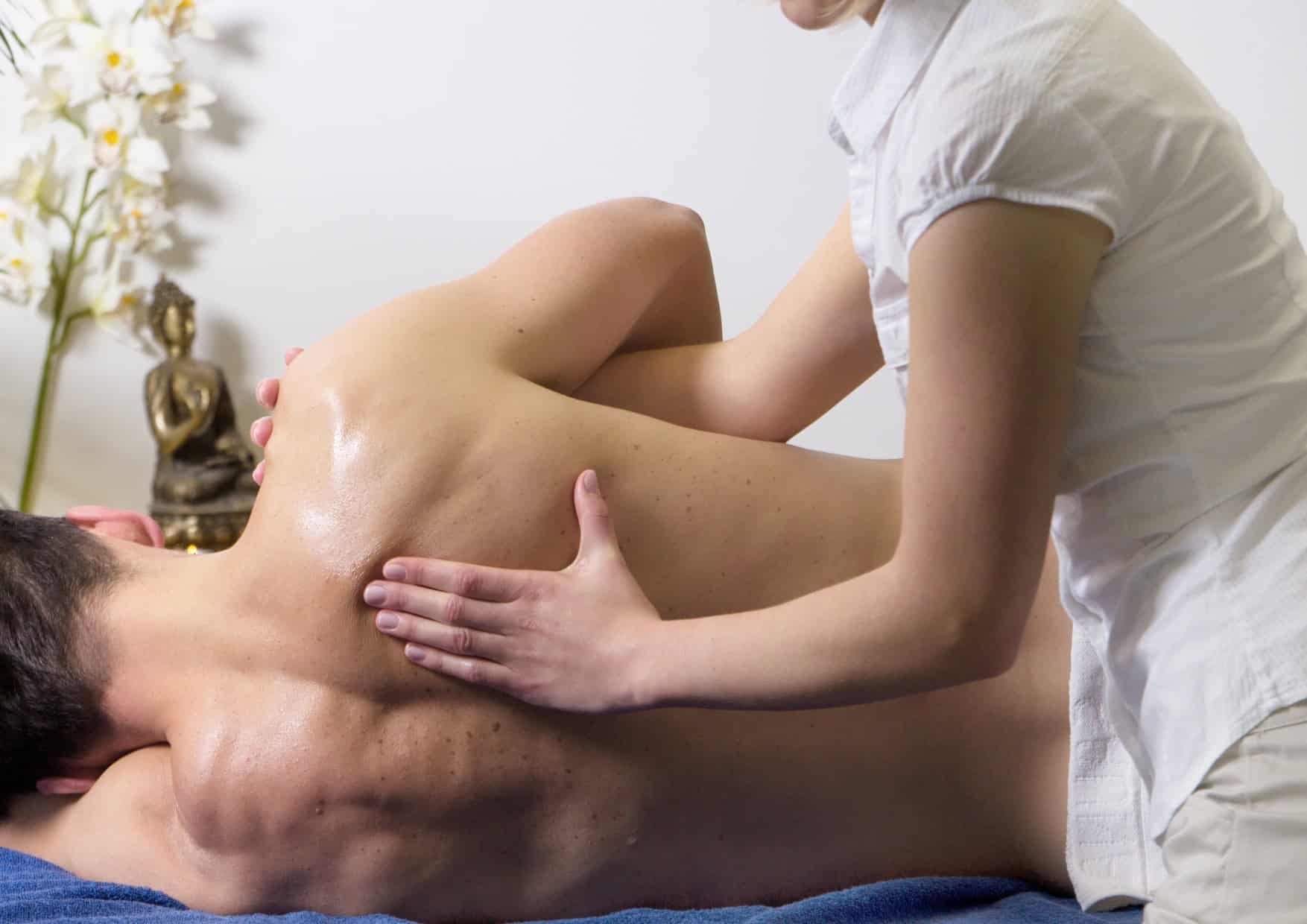
Deep tissue massage is often the most practical starting point for people managing chronic muscular tension or physical stress from sustained desk work or training. Swedish massage suits sessions focused on nervous system recovery, stress reduction, and sleep quality. Sports massage is most relevant around physical training, whether that means preparation before a demanding period or recovery afterward.
Therapist profiles on Zen Hut include bios, service listings, and reviews, so finding someone whose specialism matches your needs is straightforward. Booking directly from a profile means you can build familiarity with a therapist over time, which tends to improve the quality of the treatment as the therapist understands your patterns and preferences.
The Booking Journey
Zen Hut bookings are prepaid online by card. You can book as a guest on the website or through the app. The app is worth using if you are planning to make this a regular habit: it stores your details, lets you rebook faster, supports messaging between you and your therapist for app bookings, and earns Zen Points with every session. Points accumulate at one point per pound spent, and can be redeemed against future bookings.
If massage is going to become a consistent part of how you maintain your output and your physical baseline, the app makes the repeat booking experience significantly more efficient.
Frequently Asked Questions
Regular treatment can support stress management as part of a broader approach to physical and mental maintenance. Many people find that consistent sessions help with sleep, muscle tension, and general resilience to demanding periods. The key word is regular. Occasional treatment helps in the moment. Consistent treatment builds on itself.
Deep tissue massage is a common starting point for people with accumulated tension in the neck, shoulders, and upper back from desk work. Swedish massage is a good option if sleep and nervous system recovery are the priority. Your Zen Hut therapist can advise based on what you describe when you book.
Yes, practically. A table allows the therapist to work with full access and proper positioning, which directly affects what techniques are available and how effective the session is. It is part of why Zen Hut positions itself as a home spa style experience rather than a standard mobile massage.
There is no single right answer, but most people who use massage as a maintenance habit find a two to four week cadence to be effective. Your therapist can advise based on your goals and how your body responds.
You can book directly on the Zen Hut website as a guest, or download the app for faster repeat booking, stored details, rewards, and therapist messaging.