
Reflecting on Years of Home Spa Treatments Across London
Every city has its own rhythm, and London’s is relentless. Over the years we have spent bringing spa quality treatment tables into homes across the capital, one thing has become clear: people are not booking a massage because they want a luxury. They are booking one because they need somewhere to properly stop.
That single insight has shaped almost everything about how Zen Hut works today.
Why the table changed the conversation
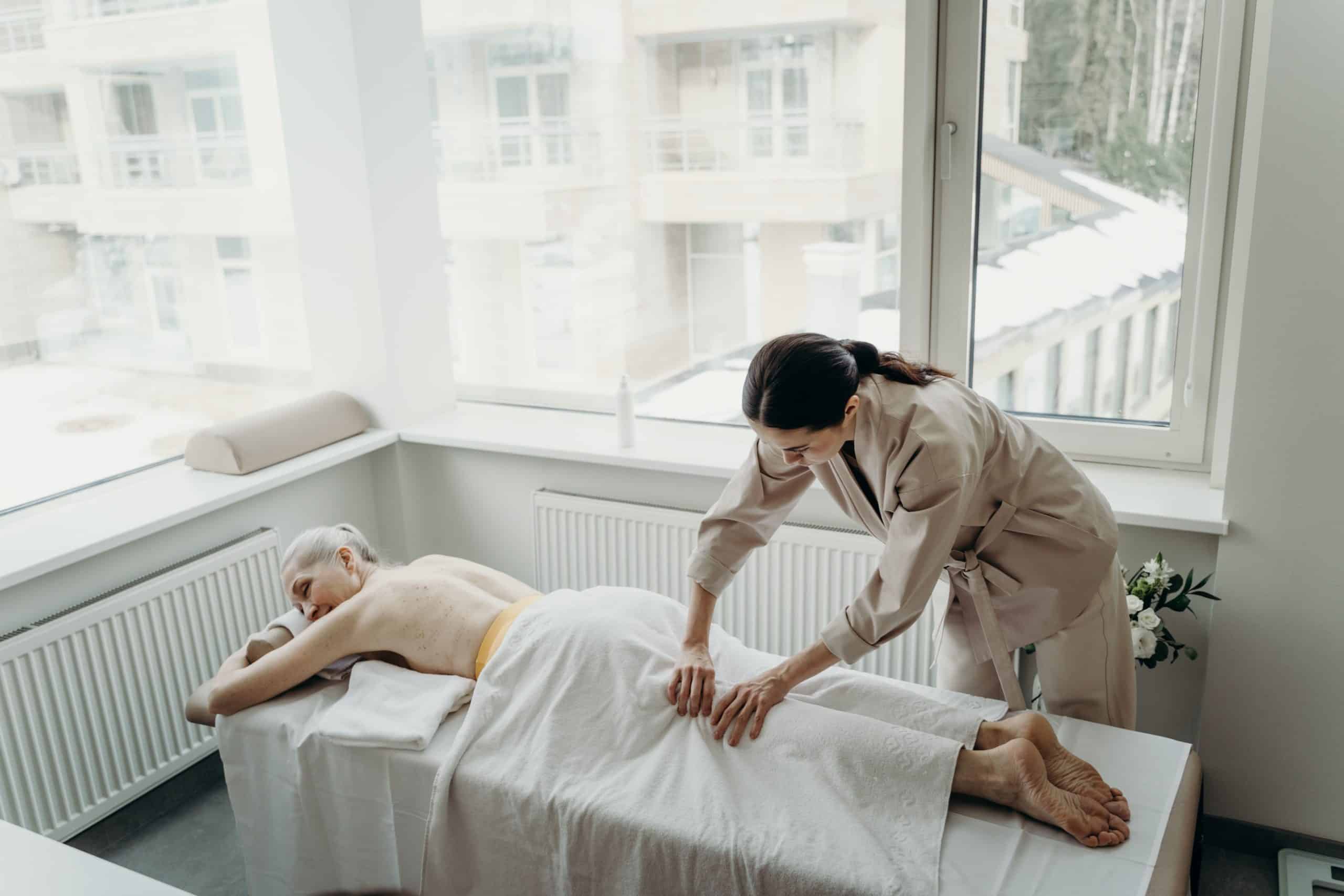
When we first set out to build a home spa style service, the obvious shortcut would have been to skip the table altogether. A mat on the floor is quicker to carry, easier to fit into a small flat, and cheaper to maintain. But a mat on the floor also changes the treatment itself. Therapists cannot achieve the same depth of pressure, positioning becomes limited, and the whole experience starts to feel like an improvised favour rather than a proper spa session.
Choosing to build Zen Hut around a professional treatment table was a deliberate decision, and it has paid off in the way clients describe their sessions. People consistently tell us it feels less like “someone popped round” and more like they walked into a treatment room, except the treatment room happens to be their own living room or bedroom. That distinction matters more than it might sound. A proper setup signals a proper standard, and Londoners, who are used to being sold shortcuts dressed up as premium experiences, notice the difference immediately.
What years of bookings have taught us about London life
If there is one theme that runs through years of home visits across the city, it is that recovery has become something people have to actively protect rather than something that simply happens. Between long commutes, back to back meetings, training for marathons on weekends, and raising children with barely a gap in the schedule, rest is rarely the default. It has to be booked in, much like everything else.
We have seen this play out across very different kinds of clients. Professionals who have spent the week hunched over laptops book a deep tissue session on a Thursday evening simply to reset before the weekend starts. New parents, running on broken sleep, use Manual Lymphatic Drainage or a gentler Swedish Massage as one of the only hours in their week that belongs entirely to them. Runners and amateur athletes across the city rely on Sports Massage not as a treat but as basic maintenance, the same way they would service a bike or replace worn trainers.
None of these people are indulging themselves. They are maintaining themselves. That framing has quietly become central to how we talk about Zen Hut, because it is simply what we have observed to be true.
Convenience without lowering the standard
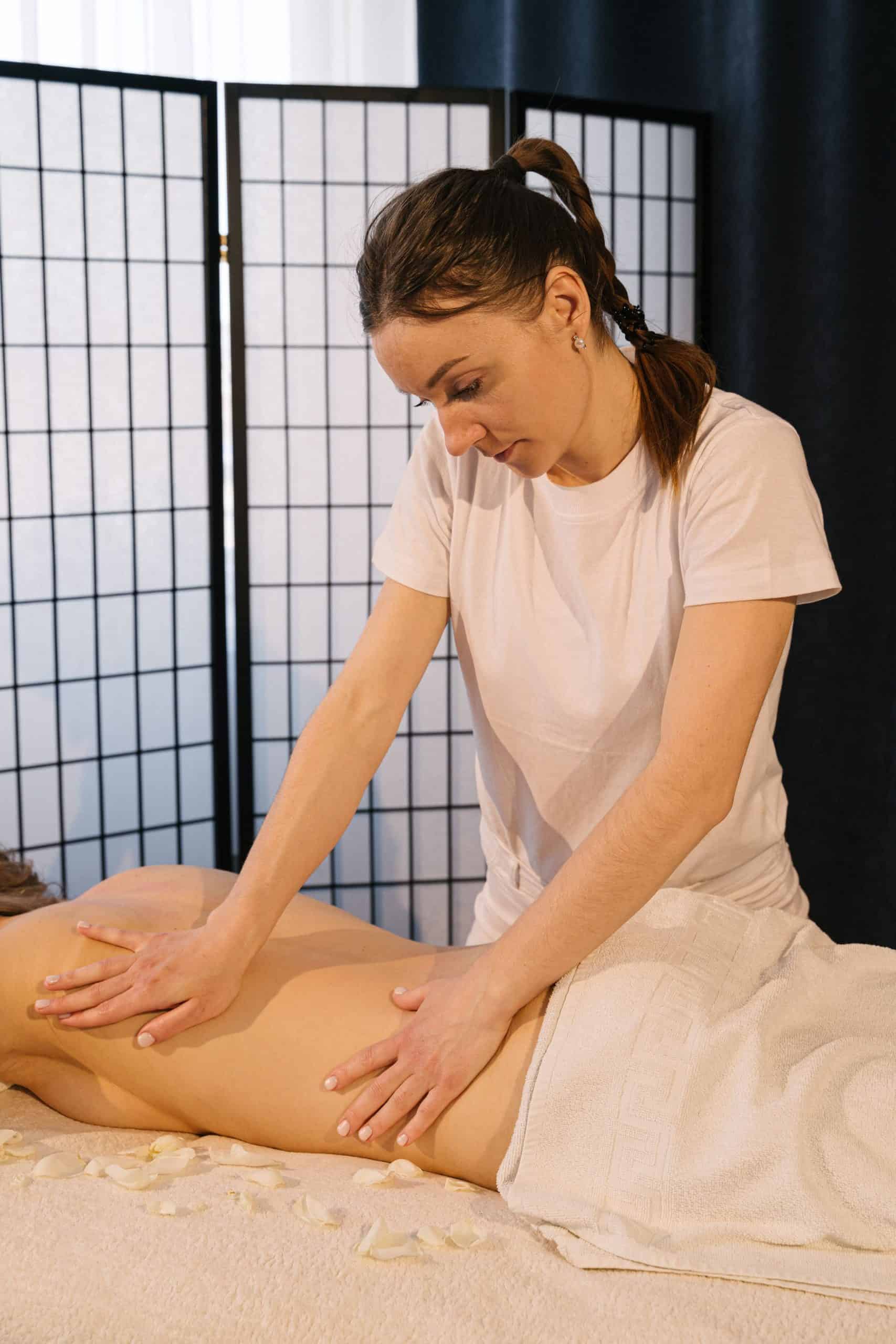
The other lesson that years of operating across London boroughs has reinforced is that convenience and quality are not actually in tension, even though most services in this space treat them as if they are. Customers want the ease of booking from their phone, paying securely in advance, and having a therapist arrive at their door. But they also want that therapist to be properly qualified, the equipment to be professional grade, and the whole experience to feel considered rather than rushed.
This is part of why the booking journey itself has been built the way it has. Customers can browse therapist profiles, read bios and reviews, and choose someone whose experience matches what they need, whether that is prenatal care, a Thai Oil Massage, or targeted Sports Massage after a heavy training block. Booking as a guest through the website works well for a first time visit, but the app has become the natural home for anyone who books regularly, since it unlocks faster rebooking, stored details, and direct messaging with a therapist ahead of a session.
A few things stand out consistently when we look back at what has worked:
- Clients return more often once they find a therapist whose style suits them, which is part of why browsable profiles matter so much
- Prepaid, card only booking removes the awkwardness of exchanging money in person and keeps the whole process feeling professional
- The 24 hour cancellation window has proven fair in practice, giving people flexibility without undermining therapists’ schedules
- Zen Points has quietly become a meaningful part of the experience for regular customers, turning ordinary bookings into small ongoing savings
Looking at what has stayed consistent
Trends in wellness come and go. Certain treatments become fashionable for a season and then fade. What has stayed remarkably consistent throughout is the demand for something that feels genuinely restorative rather than performative. Londoners are, on the whole, sceptical of anything that feels like a gimmick. What tends to earn trust instead is reliability: the same standard of table, the same level of therapist vetting, the same straightforward booking process, whether someone lives in Chelsea or out toward the commuter belt.
That consistency is really what a home spa style service is built on. It is less about a single spectacular session and more about knowing that whenever life in London gets loud, there is a dependable way to bring some quiet back into it, on a proper table, in your own home.
Where things go from here
None of this means standing still. The service list continues to reflect what clients actually ask for, from Brazilian Lymphatic Drainage to Thai Yoga Massage, and the app continues to be refined so that browsing therapists, messaging ahead of a session, and managing Zen Points feels as smooth as possible. But the core principle has not changed and is unlikely to. A table, a qualified therapist, and a home that briefly becomes somewhere to properly switch off. That is still the whole idea.
If you have never booked with a treatment table at home before, there is no better time to find out what the difference actually feels like.
Frequently Asked Questions
Zen Hut therapists bring a professional treatment table to every appointment, which allows for a more traditional spa style setup compared to mat based or no table alternatives.
No. You can book as a guest directly through the website. The app is available for anyone who wants faster repeat booking, stored details, therapist messaging, and Zen Points.
You earn 1 Zen Point for every £1 spent. Points build toward account credit, for example 250 points equals £5 and 500 points equals £10.
Yes. You can browse therapist profiles, read bios and reviews, and book directly from a profile that matches what you are looking for.
Bookings can be cancelled up to 24 hours in advance. Cancellations made after that window are usually non refundable unless discretion applies.
Yes, if you book through the app. You earn one point for every pound spent. Points accumulate and can be redeemed against future treatments.